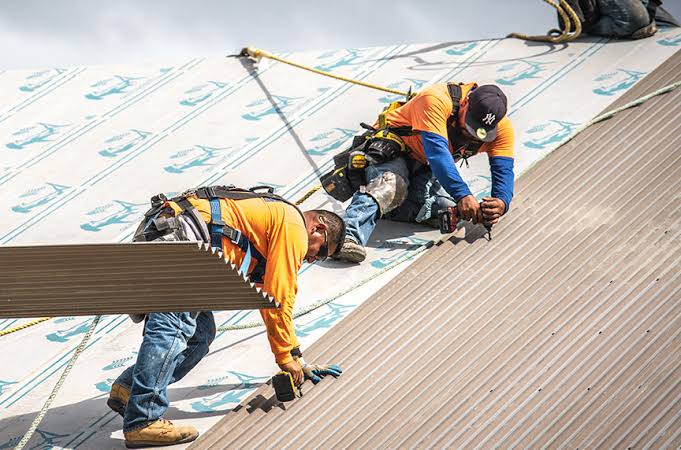
Melbourne’s commercial and industrial rooftops are busy workplaces. Air conditioning units, exhaust fans, solar panels and communications equipment all need regular servicing, which means tradespeople spend a lot of time working at height. Falls remain one of the leading causes of serious workplace injury, so investing in height safety in Melbourne is no longer optional. It is a legal duty and a smart business decision.
Why Every Roof Needs a Safety Plan
Victorian OHS regulations require employers and building owners to eliminate or reduce fall risks so far as is reasonably practicable. Melbourne’s changeable weather, from sudden winds to rain-slicked surfaces, makes roofs even more hazardous. A properly designed system protects maintenance crews, contractors and visitors, and it reduces costly downtime, insurance claims and penalties.
Core Systems Worth Considering
Guardrail systems: Permanent edge protection creates a physical barrier along roof perimeters. Because it is passive protection, workers don’t need harnesses or training to benefit from it.
Static lines and rail systems: Horizontal lifelines let workers stay connected while moving along the roof, so they are never unprotected.
Certified anchor points: Engineered anchors provide secure attachment for fall arrest and rope access work. They must be professionally installed and tested.
Roof walkways and access ladders: Designated walkways protect workers from fragile roofing materials, while fixed ladders with self-closing gates make reaching the roof safer.
Skylight protection: Screens and covers prevent falls through skylights, one of the most overlooked rooftop hazards.
The Role of Mechanical Plant Platforms
Rooftop plant equipment is often installed at awkward heights or on uneven surfaces, forcing technicians into risky positions. Mechanical plant platforms in Melbourne give workers stable, slip-resistant areas around HVAC units, chillers and exhaust systems. Fitted with guardrails and secure access, they let technicians service equipment safely and efficiently. Well-designed mechanical plant platforms in Melbourne also protect roof membranes from the damage caused by repeated foot traffic, which extends the life of the roof itself.
Compliance and Inspections
Australian Standards such as AS/NZS 1891 and AS 1657 set out requirements for fall protection equipment, fixed platforms, walkways and ladders. Compliance doesn’t end at installation. Fall arrest systems, anchor points and lifelines should be inspected and recertified by a competent person at least every 12 months, or sooner if they have been involved in a fall or exposed to harsh conditions. Keeping thorough inspection records protects your business and shows due diligence if an incident ever occurs.
Choosing the Right Provider
Not every roof is the same, so avoid one-size-fits-all solutions. Choose a provider with proven experience in height safety in Melbourne, one that begins with a site risk assessment, designs to current standards and offers ongoing inspection and maintenance. Ask for certification documentation, engineering sign-off and references from similar projects.
Final Thoughts
A safe roof is the result of planning, quality equipment and regular maintenance. Whether you manage a new development or an ageing industrial building, now is the time to review your rooftop risks. By combining proper edge protection, certified anchor systems and purpose-built mechanical plant platforms in Melbourne, you protect your people, your property and your reputation.