Water is an essential resource for life, and its quality directly impacts health, the environment, and overall quality of life. In Queensland, a state known for its diverse ecosystems and growing population, effective water treatment is vital. This guide explores the importance of water treatment in Queensland, the various processes involved, and the technologies employed to ensure clean and safe water for residents.
Importance of Water Treatment
- Public Health: One of the primary goals of water treatment is to eliminate contaminants that can pose health risks. Pathogens, heavy metals, and harmful chemicals can be present in water sources due to industrial activities, agricultural runoff, and aging infrastructure. Effective treatment processes help remove these contaminants, ensuring safe drinking water and protecting public health.
- Environmental Protection: Proper water treatment not only safeguards human health but also protects the environment. Clean water supports aquatic ecosystems, helping maintain biodiversity in rivers, lakes, and coastal areas. By treating wastewater before it is released back into the environment, Queensland can reduce pollution and promote healthier ecosystems.
- Compliance with Regulations: Queensland’s water treatment processes must adhere to strict regulations set by the state government and health authorities. These regulations ensure that water supply systems meet safety and quality standards, providing peace of mind to residents. Regular monitoring and testing are essential components of compliance.
- Economic Growth: Access to clean water is crucial for economic development. Industries such as agriculture, tourism, and manufacturing depend on reliable water sources. By investing in modern water treatment facilities, Queensland can support these industries, promote job creation, and enhance the state’s overall economic resilience.
Water Treatment Processes
Water treatment in Queensland typically involves several key processes designed to ensure that water is safe for consumption and use:
- Coagulation and Flocculation: The first step in water treatment involves adding chemicals, such as alum, to the water to help remove suspended particles. These chemicals cause tiny particles to clump together, forming larger aggregates called flocs. This process makes it easier to remove impurities from the water.
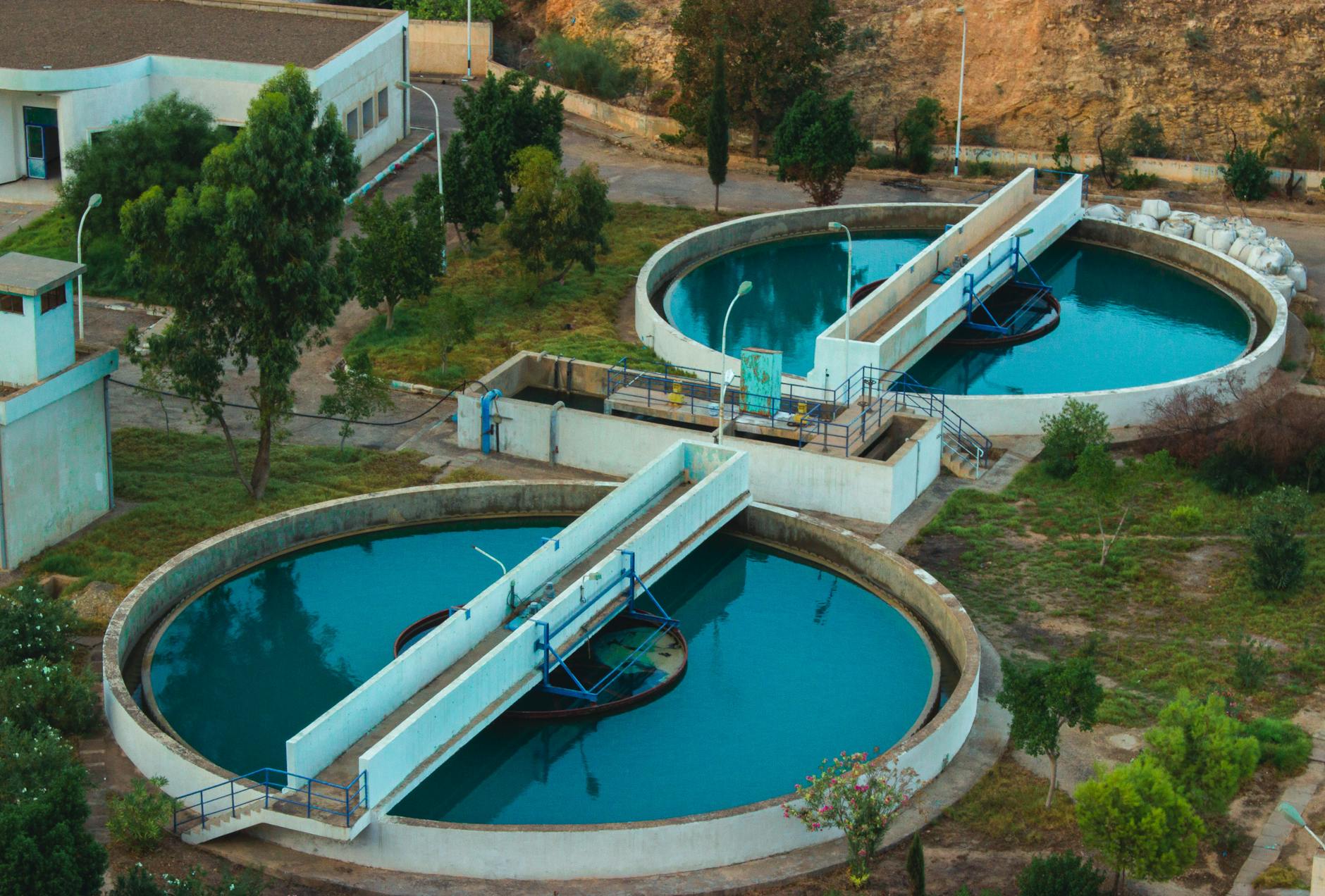
- Sedimentation: After flocculation, the water is allowed to sit in a sedimentation basin, where the heavier flocs settle to the bottom. This process separates the clearer water from the accumulated sediment, reducing turbidity and preparing the water for further treatment.
- Filtration: The clear water then passes through various filtration systems, which may include sand, gravel, or membrane filters. This step removes remaining impurities, including bacteria and smaller particles that may not have settled during sedimentation.
- Disinfection: To eliminate any remaining pathogens, the water is disinfected using methods such as chlorination, ultraviolet (UV) light, or ozone treatment. Disinfection is crucial for ensuring that the treated water is safe for human consumption.
- pH Adjustment and Mineral Addition: Depending on the source water’s characteristics, it may be necessary to adjust the pH and add essential minerals before distribution. This ensures that the water is not only safe but also palatable and beneficial for health.
Advanced Water Treatment Technologies
Queensland has embraced advanced water treatment technologies to enhance the quality and safety of its water supply. Some notable technologies include:
- Reverse Osmosis: This process uses a semipermeable membrane to remove impurities from water at the molecular level. It is particularly effective for desalination and removing dissolved salts, making it valuable in regions with limited freshwater sources.
- Advanced Oxidation Processes (AOPs): AOPs combine chemical oxidants to remove organic contaminants from water. These processes are effective in treating wastewater and improving the quality of water reused for various applications.
- Smart Water Management Systems: Utilizing digital technologies and data analytics, smart water management systems monitor water quality and optimize treatment processes in real time. This innovation enhances operational efficiency and reduces costs.
Water treatment in QLD is essential for protecting public health, preserving the environment, and supporting economic growth. With a commitment to modernizing treatment processes and incorporating advanced technologies, Queensland is well-positioned to provide its residents with safe and clean water for generations to come. By understanding the importance of water treatment and actively participating in conservation efforts, individuals and communities can contribute to a sustainable water future for the state.
Water tanks in Canberra are essential for sustainable water management, particularly in the face of climate variability and increasing demand. Collecting rainwater helps homeowners reduce reliance on mains supply, leading to significant savings on water bills. Various types of water tanks are available, including plastic, steel, and concrete options, catering to different space and aesthetic needs. Proper installation and maintenance ensure optimal performance, allowing residents to use harvested rainwater for irrigation, flushing toilets, and laundry. Embracing rainwater tanks not only promotes environmental sustainability but also contributes to the overall resilience of the water supply in the Canberra region.